
Beginner Guide
Practical starting information for your first night in Carrion City, without guessing about controls, settings, or routes the game does not document.
Start with the right expectations
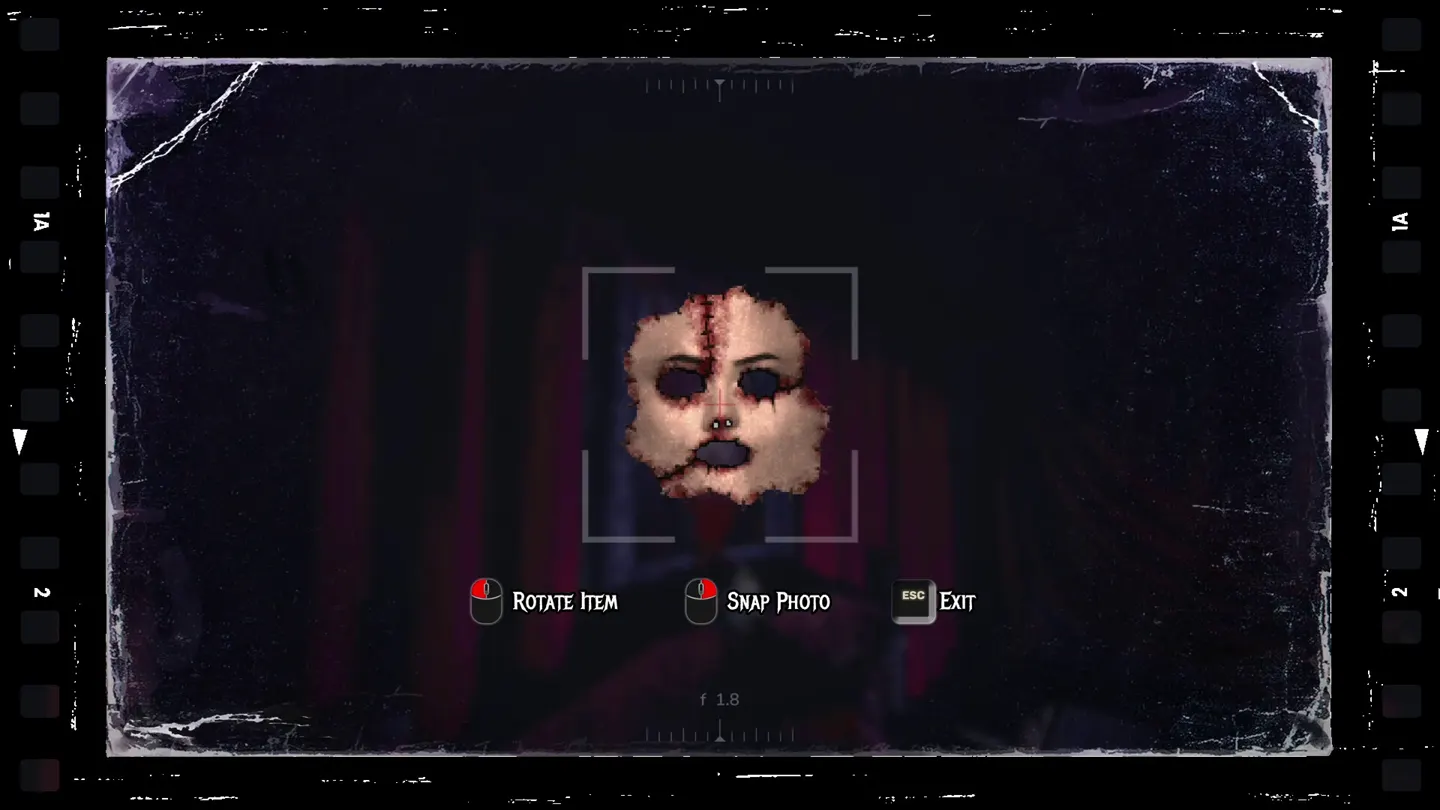
The Skin Stapler is a short, single-player horror adventure set in Carrion City. You begin by following Detective Dick Slater and rookie Robbie Knox, but the story also switches to other playable people caught in the killer's path. The official Steam listing describes crime-scene investigation, puzzles, scripted danger, full voice acting, and a deliberately grim style. It lists Windows PC as the platform and English for the interface, audio, and subtitles. This guide focuses on decisions a new player can make without revealing the killer's identity or the ending.
Approach the game as a sequence of story scenes rather than a large survival sandbox. An area usually asks you to understand an immediate objective, inspect its surroundings, and complete the interaction that advances the scene. The Steam tags include Action and FPS, but those labels do not promise a deep weapon, ammunition, or upgrade system. If you start looking for one, you may miss the quieter evidence and dialogue that actually move the story forward.
Decide whether to play the demo first
The free Steam demo is a practical way to test the game's tone and first-person presentation before buying the full release. Steam describes it as roughly 30–45 minutes of story-driven play. It introduces Carrion City without representing every section of the finished game. Treat it as a sample of the mood, not as a complete route map or a promise about the length of every later chapter.
The full-game Steam page carries a mature-content warning for heavy blood, gore, frightening scenes, and violence. Read that warning before opening either version if those subjects may be uncomfortable. The game's dark humor is also central to its presentation. You do not need to push through the demo to discover whether the full release is a different, gentler genre: the demo already gives you a useful first impression of the style.
Prepare a spoiler-safe first session
Start with subtitles enabled if you find spoken clues easy to miss. Dialogue and distorted tapes contribute to the investigation, so reading or listening closely is more useful than rushing to the next doorway. Before leaving a room, pause and identify the current objective in your own words: are you gathering evidence, completing a workplace task, following a conversation, or solving a specific lock? This simple distinction prevents a common mistake—searching the entire map for an answer that is still inside the active scene.
Check the settings menu in the version you have installed for controls, display options, and accessibility choices. The official store material does not publish a complete key map, controller layout, save schedule, or difficulty chart. A guide that gives universal keys for every build would be guessing. If an interaction prompt does not match what you expected, trust the prompt on your screen and the current settings menu before trying a control listed by a third-party post.
Use an investigation loop when progress stops
When you are stuck, work through the same small loop before opening a spoiler-heavy walkthrough:
- Read the current objective again. It may specify a room, person, or task that is easy to overlook while exploring.
- Finish nearby dialogue. A scripted exchange can be part of the scene's progression, even when no new object appears immediately.
- Inspect the active room deliberately. Look at desks, counters, containers, doors, and visible evidence; revisit an object if the interface offers a closer inspection.
- Check recently introduced tapes or messages. Their role may be contextual rather than a numeric code, but they can tell you which part of the case is active.
- Only then follow a route-specific guide. Open the section for your current location and stop reading once you have the next actionable clue.
This is a troubleshooting method, not a claim that every scene uses the same hidden trigger. Some chapters are built around investigation, while others are about surviving an ordinary shift that turns dangerous. The immediate objective and interaction prompts remain better evidence than a general checklist.
Separate puzzles from missing interactions
Before searching for a code online, determine whether the obstacle is actually a code puzzle. The site has a puzzle guide for verified answers, including the picture-frame combination, but a stalled scene may instead need a conversation, evidence item, or object interaction. Guessing numbers at every locked-looking object wastes time and can expose late-game spoilers in search results.
If the puzzle is genuine, use the smallest hint that moves you forward. First identify the location and what the game itself shows; then consult the matching section of the guide. Keep notes on which solution came from a visible in-game clue and which one came from an external explanation. That distinction matters in a mystery game: it lets you continue solving the case yourself instead of replacing the investigation with a list of answers.
Expect different viewpoints and scripted danger
The official description says that you investigate as Slater and also take control of other characters stalked across homes, workplaces, and dark streets. A change of viewpoint can change the immediate task, so do not assume that an item or objective from the detective's scene carries over to a new character. Read the new scene before trying to recreate your previous route.
Traditional combat is not the central loop. Some danger arrives through timed interactions or scripted story moments. Follow the on-screen prompt, but do not interpret every alarming scene as proof that you missed a weapon or failed to build an upgrade. If a retry is offered, use it to learn the timing or interaction the current scene asks for. Avoid looking up the ending simply because one sequence felt unavoidable; the broader story answers different questions.
Keep achievement hunting separate from the first run
The Steam release lists 16 achievements. If you want a mostly spoiler-free first playthrough, focus on understanding the chapter you are in. One interaction is worth remembering in advance: the site's achievement guide identifies the “Thank You” note in Dick Slater's office as an easy-to-miss unlock. Check it while that office is available if completion matters to you.
Other unlocks relate to chapters, tapes, and the finale. The existence of an achievement does not prove that a hidden code or complex item chain is required. Keep a short list of what you deliberately checked, then use the full achievement guide after your first run. This preserves the investigation's surprises while giving you a clear place to return when you are ready to complete the list.
Know what remains unconfirmed
The official full-game and demo pages verify the release, language support, and broad gameplay premise. They do not provide a complete public explanation of checkpoint timing, manual saves, all input bindings, or whether progress in the separate demo transfers to the paid game. Check those details in your installed build rather than treating a forum anecdote as a universal rule.
For help beyond these first steps, move from the least revealing resource to the most revealing one: the guide index for a topic, the puzzle guide for a specific obstacle, and the full walkthrough when you need chapter-by-chapter directions. The goal is to get unstuck without reading past the point you are currently playing.
Free Demo
The Skin Stapler Demo is available separately on Steam.